Commercial property · development finance
Funding for property developers, structured properly.
Land acquisition, soft costs, construction, sales. Funding the full development cycle. Different lenders for different stages and project sizes. Almost always involves private credit as well as bank lending.
What it is, when it fits
Plain English, with the trade-offs.
Development finance funds the property development cycle from land acquisition through construction to sales. The capital stack is usually layered: senior debt (typically a bank or specialist commercial lender) covers 50% to 65% of total development cost, mezzanine debt covers a further 10% to 20%, and developer equity fills the remainder. Pricing varies sharply by stage and risk: senior debt 6% to 9% p.a., mezzanine 12% to 18% p.a., often with profit participation. Development finance is process-heavy: feasibility studies, pre-sale requirements (often 50% to 100% pre-sales for residential), independent quantity surveyors verifying drawdown, and ongoing reporting against the cost-to-complete budget. The lender mix changes by project stage: land banking finance for the acquisition, construction finance for the build, takeout finance or sale-driven payout at the end. We coordinate the capital stack rather than placing a single facility in isolation.

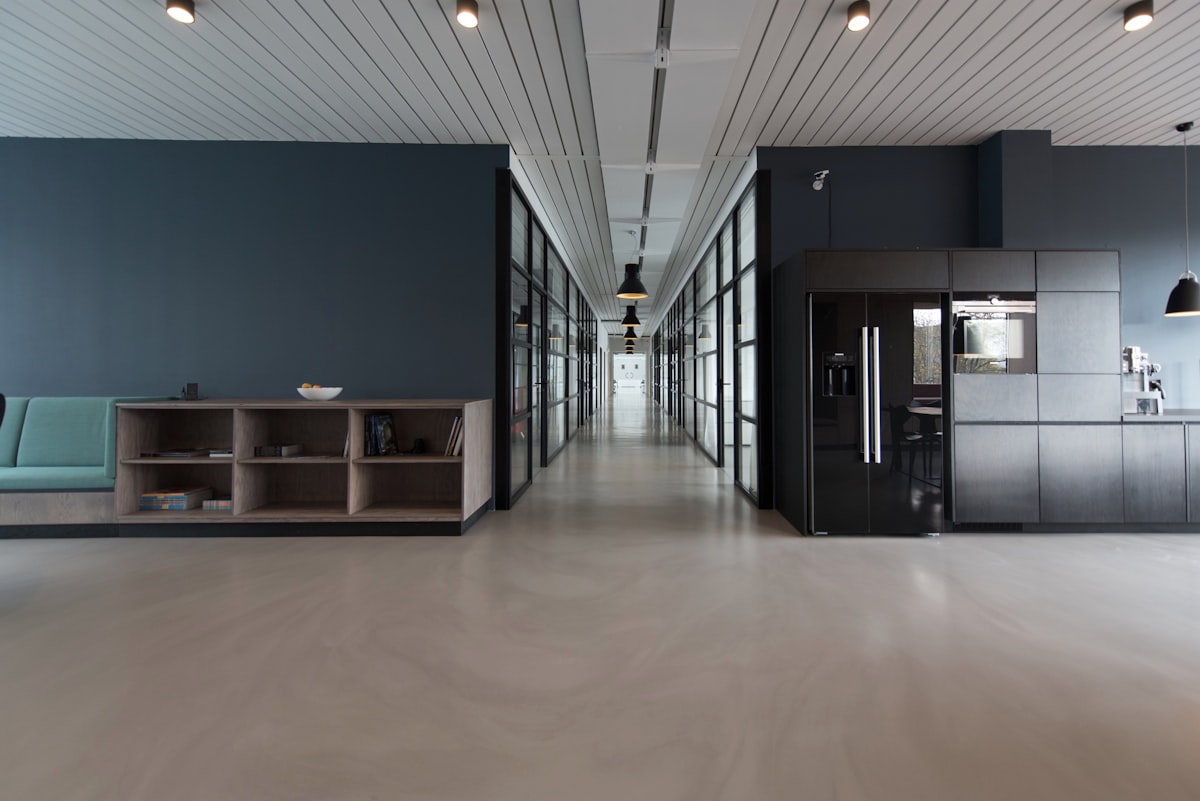
Australian residential development under construction at dusk.
Typical scenarios
Small townhouse development (4 to 12 units)
Why: Boutique developer with track record adding a 6-unit project.
Outcome: Senior + mezzanine stack, 50% pre-sales, 18-month build, takeout via individual sales.
Residential subdivision
Why: Mid-sized developer subdividing semi-rural acreage into 30 lots.
Outcome: Land banking transitions to subdivision finance, sale-driven progressive repayment.
Commercial unit development
Why: Developer building 8 commercial strata units for sale to end-users.
Outcome: Senior + mezzanine, 60% pre-sales, 14-month build, sales settle progressively.
Mixed-use medium-density
Why: Developer building shop-top apartments in inner suburb.
Outcome: Bespoke capital stack reflecting mixed-use complexity and sell-through pattern.
Lenders for this product
Who we work with.
- Thinktank
- La Trobe Financial
- Stamford Capital
- Wingate
- Qualitas
- MaxCap
- Liberty Commercial
Lender accreditation varies; not every lender is available for every deal. We pick from the panel based on your specific situation.
How it works
From brief to settlement.
- 01
Pre-engagement feasibility check
We pressure-test the feasibility against current lender appetite before you go too deep. Pre-sale assumptions, cost contingency, and sell-through timing all matter to lender appetite.
- 02
Capital stack design
Senior + mezzanine + equity sized to the project profile and developer track record. Capital stack design drives the lender shortlist.
- 03
Lender mandate and approvals
Mandate the senior lender first, then assemble the mezzanine layer. Typical end-to-end timeline 8 to 16 weeks from engagement to first drawdown.
- 04
Drawdown and project monitoring
Monthly cost-to-complete reporting, QS-verified drawdowns, ongoing facility reviews. We support project-level renegotiation if scope changes during build.
Indicative pricing & terms
Ranges, not promises.
Rate range
Senior 6 to 9% p.a.; mezzanine 12 to 18% p.a. + profit participation
Loan size
$1M to $50M+ per project
Term
12 to 36 months typical
Security
First and second mortgages, often plus personal guarantees and project covenants
Indicative only; specific pricing depends on lender, security, and your business profile.
Frequently asked
Honest answers, plain English.
Development funding stages?
Land banking funds the acquisition pre-DA. Development finance typically covers DA-approved projects through construction. Construction finance specifically funds the build (drawn against verified progress). Takeout finance refinances at completion. Each stage has different lenders.
Senior vs mezzanine debt structures?
Senior debt sits behind first mortgage; lower rate, conservative LVR. Mezzanine sits behind senior; higher rate, often with warrants or profit-share. Developer equity sits behind mezzanine. Capital stack design depends on project-specific risk.
Pre-sales requirements?
Residential development typically requires 50% to 100% pre-sales (varies by lender, project, and market). Commercial pre-sales requirements are usually lower or different (anchor tenant, owner-user pre-commitment).
Cost overruns and contingency?
Most lenders require 5% to 10% contingency in the cost-to-complete budget. Cost overruns above contingency usually require additional developer equity injection rather than facility increase.
GST treatment?
Property development is GST-relevant; new residential and commercial sales generally include GST. The margin scheme can apply for some land transactions. This is genuinely accountant territory.
Project feasibility requirements?
Lenders need a robust feasibility (sales projections, costs, market analysis, sales agent letters) before approval. Quality of the feasibility frequently drives the lender shortlist.
When to engage a development finance broker?
Early. Pre-DA, ideally pre-acquisition. The capital stack drives feasibility; running feasibility on assumed lending terms that don't match what's actually available is a common project killer.
Related products
If this isn't quite the fit.
Next step
Twenty minutes, no obligation.
Tell us the shape of the deal and the timing. We'll send a lender shortlist for development finance or, if it isn't the right fit, an honest signal of what is.